Determine if the machine can sit below the task
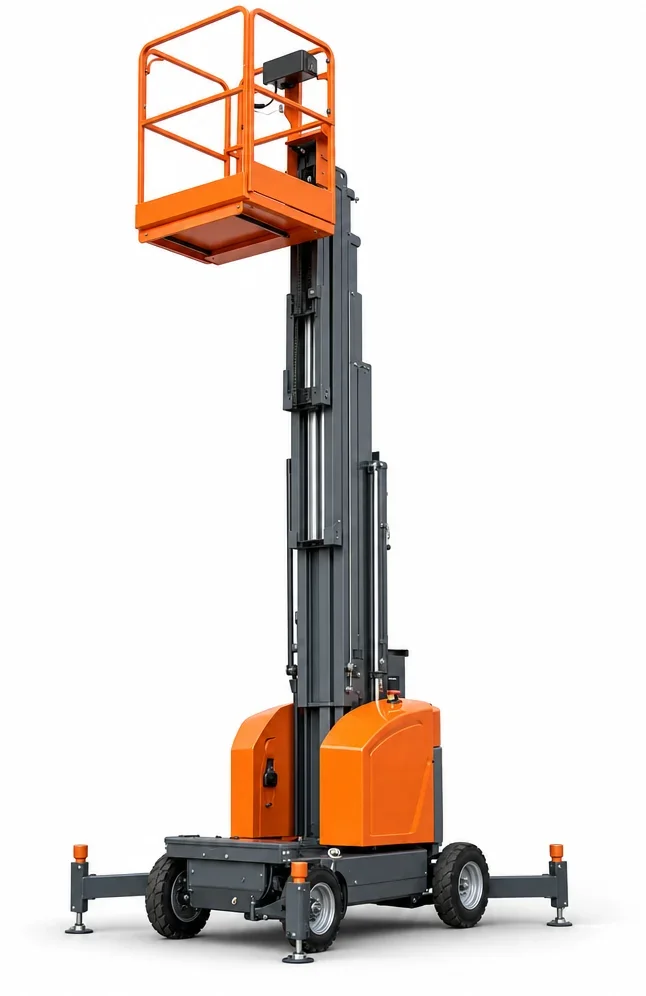
A vertical mast lift goes straight up from a small base. It works when the platform can sit directly under the work and there’s enough outreach from the jib or platform extension for fine positioning. Check: - Working height vs. platform height and user reach - Obstructions above, such as banners or low trusses - Floor loading limits along the route from dock to work area
Orlando constraints that shape the choice
- Finished convention floors and retail spaces emphasize non-marking tires and quiet operation.
- Narrow service corridors and standard doorways require compact stowed dimensions and tight turning.
- Afternoon storms can pause exterior tasks; many crews keep interior mast work ready as a weather fallback.
Platform size, weight, and transport
- Smaller platforms fit between fixtures and displays but limit material load. Confirm the weight of tools or small components carried to the work.
- Total machine weight matters for floor ratings, lift gates, and dock plates between the truck and the interior.
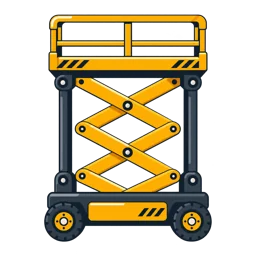
When a mast lift is the better fit than a scissor
- Tasks directly overhead in tight spaces where a scissor’s wider deck won’t pass
- Quick punch-list access near exhibit booths without repositioning larger gear
- Maintenance under low soffits where the compact base can dodge obstacles
Related interior options
- Need more deck space for two-person work on slab? Compare /electric-scissor-lift-rental/
- For exterior or uneven ground work at height, see /rough-terrain-scissor-lift-rental/ or /articulating-boom-lift-rental/
Actual conditions, the selected unit’s instructions, and site procedures govern use and placement.