Start with the load and the aisle
- Load weight, dimensions, and center of gravity determine the truck class and counterweight needs.
- Aisle width at racking or staging zones restricts truck length and turning radius. Measure right-angle stacking space and door clearances between docks and floor.
Surface and tires: slab vs. sandy staging
- On interior slabs, cushion-tire forklifts maneuver efficiently and protect floors. Their smaller turning radius is useful in dense racking common to local distribution buildings.
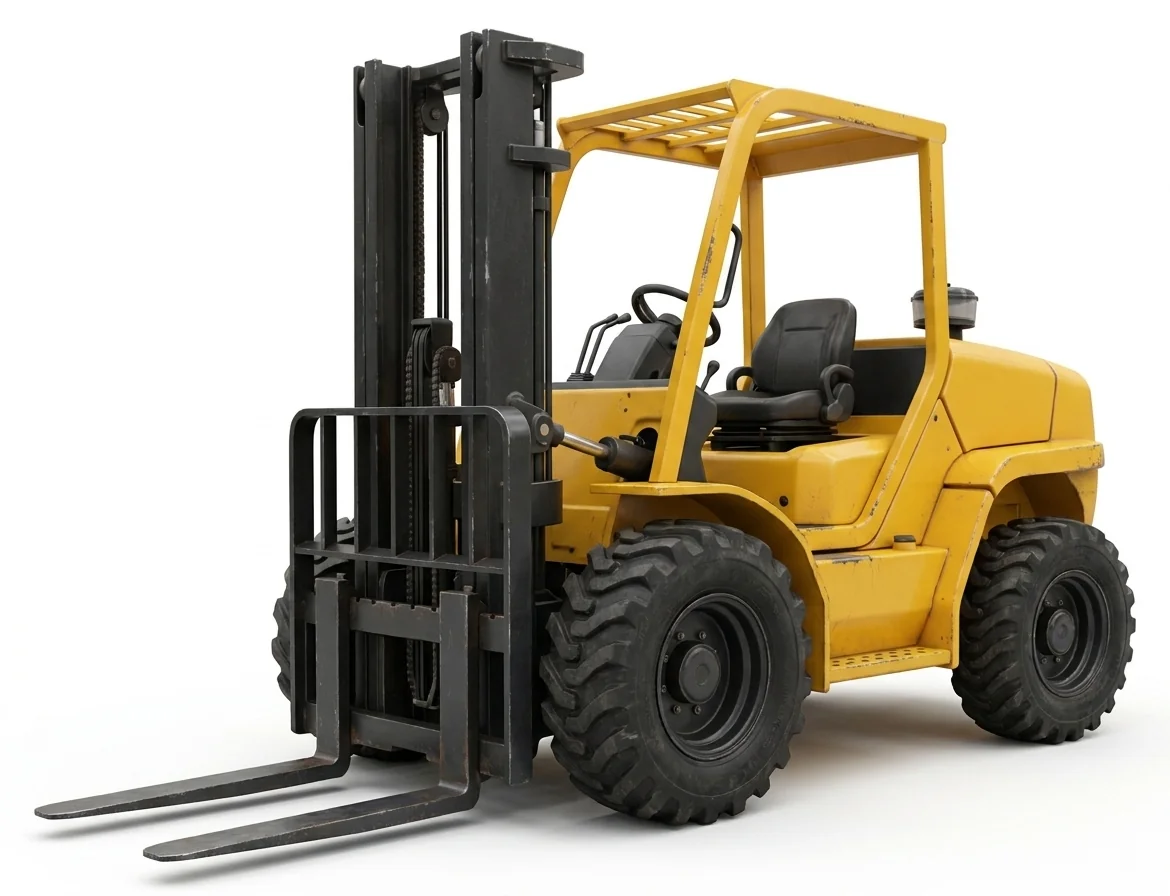
- For exterior lots and sandy edges around temporary structures, pneumatic-tire or rough-terrain forklifts provide better flotation and ground contact.
Mast height and overhead restrictions
- Low mezzanines, sprinklers, and banners at venues can limit mast height when traveling with the mast lowered.
- For high stack positions, ensure free-lift and overall collapsed height fit under door headers while meeting the required lift height at the rack.
Orlando work patterns that influence selection
- Logistics hubs prioritize electric cushion-tire units for interior air quality and tight aisles.
- Event build-outs combine dock work with outdoor tent or set construction; a rough-terrain unit may be staged outside while a cushion unit handles interior unloads.
Related equipment to coordinate material flow
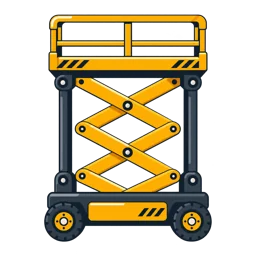
- For elevated installation after materials arrive, see /vertical-mast-lift-rental/ and /electric-scissor-lift-rental/
- For mixed exterior handling with higher placements, compare /telehandler-rental/
Actual site conditions, the selected unit’s instructions, and site procedures govern use.