Start with placement and access
- Can delivery trucks reach the pad without crossing soft ground? Measure turning radii, overhead clearances, and ramp grades.
- Will forklifts or pallet jacks load inside? Slab-based projects favor high floor ratings and flush thresholds; sandy lots may require cribbing or mats to keep doors square.
- Is frequent entry expected? Consider door type and corridor width around the container to prevent pinch points.
Orlando conditions that change the plan
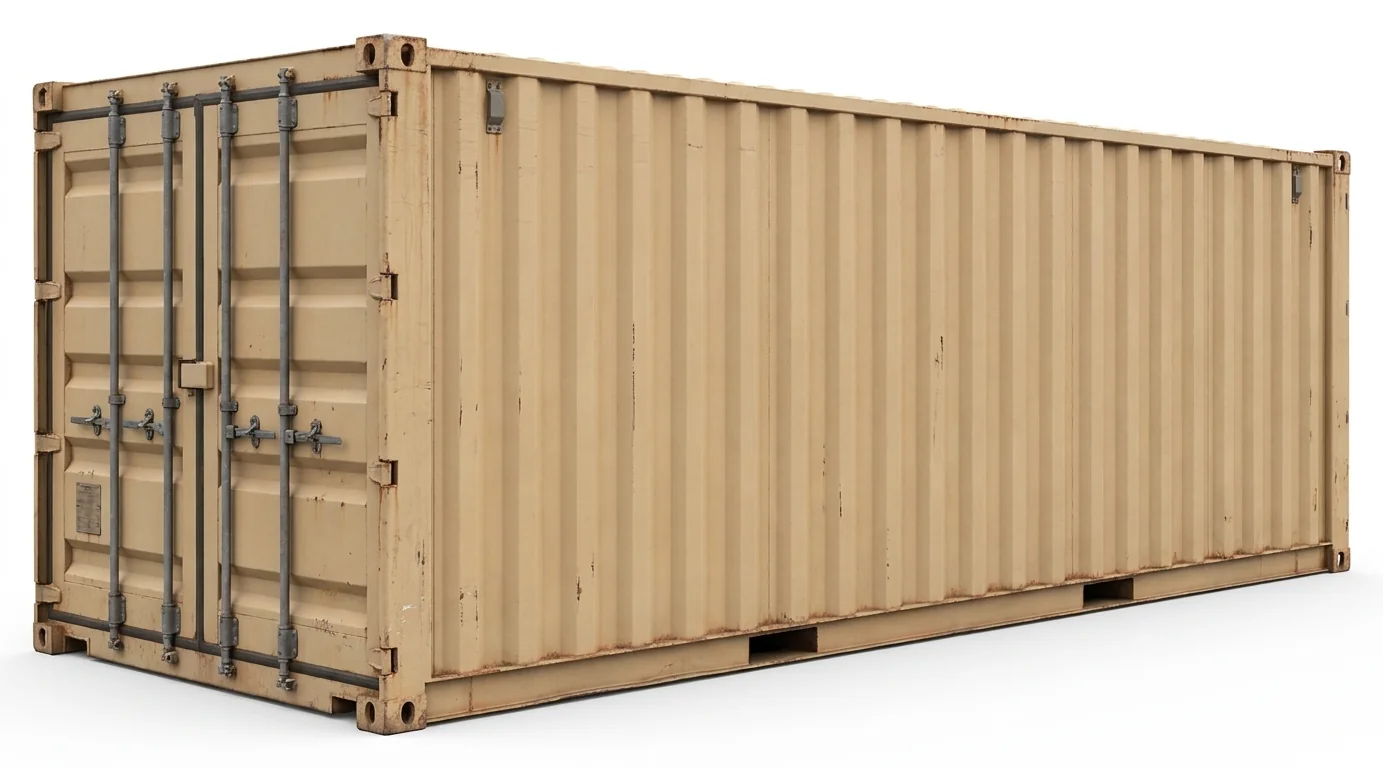
The regional climate brings heavy, fast rain. Roof condition, door seals, and venting matter, especially for sensitive finishes headed to convention floors or for parts staged for entertainment builds. On outdoor sites, sandy or recently graded surfaces can settle unevenly; keeping the container level preserves door function and interior alignment.
Indoor logistics projects in large buildings often demand quick turns between inbound and outbound freight. In these cases, container placement near dock doors, with clear pallet-jack routes and minimal thresholds, reduces handling time.
Size, spec, and security considerations
- Size: Balance footprint against access lanes. A longer unit may block equipment routes if the pad narrows after rain.
- Floors: Check point-load requirements for concentrated weights like lift components.
- Ventilation: Moisture control helps prevent condensation on stored finishes during humid stretches.
- Tie-ins: Plan for temporary ramps or cribbing based on the surface.
Related equipment
If containers support aerial or material handling work, compare these categories: - Indoor access to mezzanines or racking: /vertical-mast-lift-rental/ - Outdoor installation on uneven ground: /rough-terrain-scissor-lift-rental/ or /telehandler-rental/ - General high-reach tasks: /boom-lift-rental/
Actual conditions, the selected unit’s instructions, and site procedures govern safe setup.